
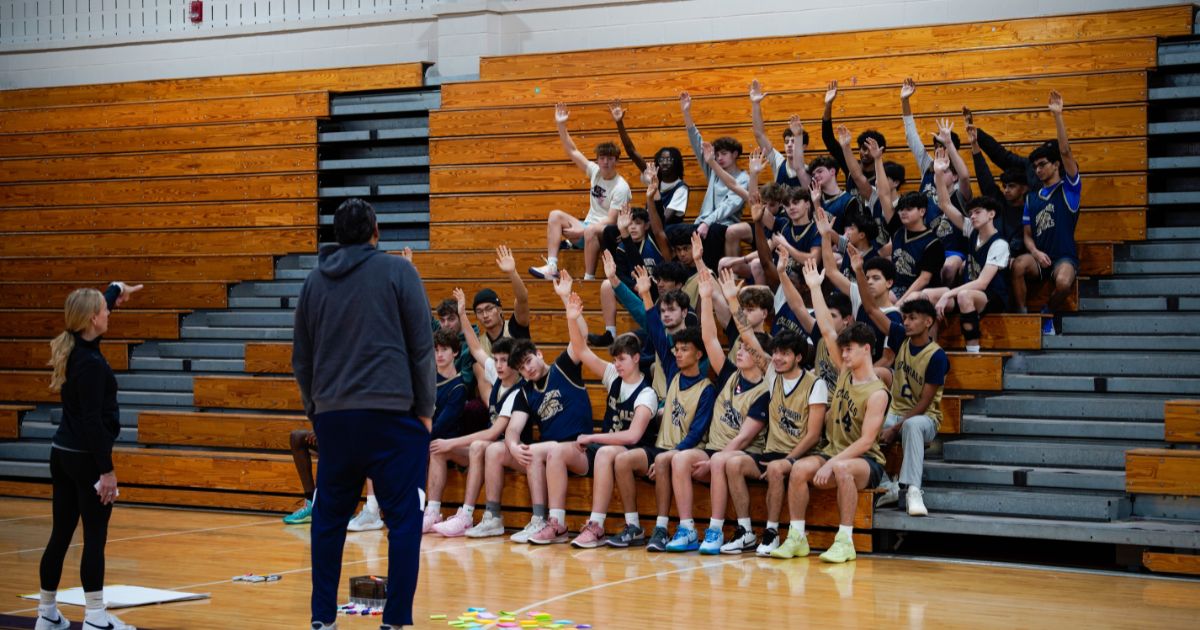
Many coaches witness firsthand how setbacks shape student athletes both on and off the field. Student athletes may face injuries or personal struggles that threaten their confidence and team unity. Addressing these moments with proven strategies not only inspires resilience but also builds lasting teamwork among athletes who need support the most.
Table of Contents
Quick Summary
| Takeaway | Explanation |
| 1. Embrace Injuries as Growth Opportunities | Treat injuries as chances to develop skills and resilience, enhancing recovery both mentally and physically. |
| 2. Defeat is Valuable Feedback | Analyze defeats constructively to identify improvement areas and build psychological resilience for future challenges. |
| 3. Create Structure for Academic Athletic Balance | Use structured schedules to manage time between academics and sports, ensuring both areas flourish together. |
| 4. Foster Team Unity after Losses | Encourage open discussions about losses to build trust and collective motivation, transforming setbacks into learning experiences. |
| 5. View Criticism as Developmental Insight | Respond to feedback with a growth mindset; use it to develop targeted improvement strategies for performance enhancement. |
1. Learning from Athletic Injuries and Setbacks
Athletic injuries are more than physical challenges; they are transformative opportunities for personal growth and resilience. Understanding how to navigate these setbacks can turn potential career ending moments into powerful learning experiences.
When an injury occurs, the initial reaction is often frustration or disappointment. However, professional athletes demonstrate that strategic approaches to recovery can actually strengthen both physical and mental capabilities. Optimizing recovery time requires a comprehensive understanding of your body’s healing process and a proactive mindset.
Successful athletes recognize that injuries provide unique opportunities to develop alternative skills, analyze technique, and build mental toughness. During rehabilitation, you can focus on cross training, studying game strategies, and maintaining overall fitness through modified exercise routines.
The psychological dimension of injury recovery is equally critical. Athletes who maintain a positive outlook and view setbacks as temporary challenges often experience faster and more complete recoveries. This mindset shift transforms potential obstacles into chances for personal development.
Medical professionals recommend a structured approach to injury management. This includes obtaining accurate diagnoses, following prescribed treatment plans, and working closely with athletic trainers and physiotherapists to understand the nuanced recovery process.
Pro tip: Develop a comprehensive recovery journal to track your physical progress, emotional state, and rehabilitation milestones, turning your injury experience into a strategic personal growth opportunity.
2. Overcoming Defeat and Bouncing Back Stronger
Defeat is not the end of an athletic journey, it is a critical learning opportunity that can transform an athlete’s trajectory. Mental resilience becomes the key differentiator between those who surrender and those who emerge stronger.
Athletes who successfully navigate defeats understand that setbacks are temporary and provide valuable insights into personal performance. Building psychological resilience involves developing mental strategies that help transform challenging experiences into opportunities for growth and improvement.
Professional athletes know that the emotional response to defeat determines future success. Instead of dwelling on negative outcomes, they analyze performance gaps systematically. This approach involves breaking down specific moments where improvements can be made examining technique weaknesses and developing targeted training strategies.
Successful athletes recognize defeat as feedback rather than failure. They maintain a growth mindset that views challenges as chances to refine skills and develop greater mental toughness. By reframing defeat as valuable information they can adjust training methods and competitive approaches more effectively.
Psychological research suggests that social support networks play a crucial role in helping athletes bounce back. Coaches, teammates and mentors provide emotional reinforcement and objective perspectives that help athletes maintain motivation and confidence during challenging periods.
Pro tip: Create a structured post defeat review process where you objectively analyze performance metrics, emotional responses and specific areas for improvement without judgment or negative self talk.
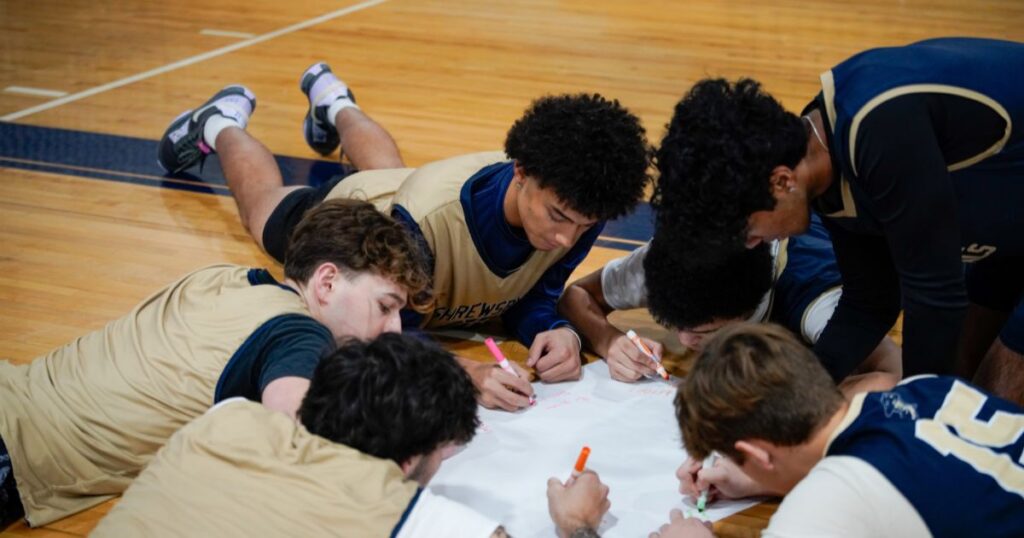
3. Handling Academic and Sports Balance Challenges
Balancing academic responsibilities with athletic commitments requires strategic planning and disciplined execution. Student athletes face unique challenges that demand exceptional time management and mental flexibility.
Student athletes must develop comprehensive strategies to successfully navigate the complex intersection of academic and athletic performance. Research demonstrates that physical activity can actually enhance academic performance by improving cognitive function concentration and emotional resilience.
Successful student athletes understand that academic and athletic pursuits are not competing priorities but complementary experiences. Physical training develops discipline, mental toughness and strategic thinking skills that directly translate to academic success. Conversely academic learning promotes analytical thinking that can improve athletic performance through more sophisticated training approaches.
Key strategies for maintaining balance include creating structured daily schedules prioritizing tasks establishing clear communication with coaches and professors and developing strong time management skills. Many successful student athletes utilize digital tools and planning applications to track assignments training schedules and personal commitments.
Psychological research indicates that student athletes who maintain a holistic approach to their development experience lower levels of burnout and higher overall satisfaction. This means integrating physical mental and academic growth as interconnected elements of personal development rather than viewing them as separate domains.
Pro tip: Create a color coded weekly schedule that allocates specific time blocks for academic study, athletic training, personal recovery and relaxation to ensure comprehensive balance and prevent potential burnout.

4. Building Team Unity After Tough Losses
Tough losses can either fracture a team or become the catalyst for unprecedented growth and solidarity. Understanding how to transform defeat into a unifying experience is the hallmark of exceptional athletic leadership.
Resilient team development requires a strategic approach that addresses emotional responses while simultaneously creating opportunities for collective learning and improvement. Research demonstrates that teams which effectively process losses together emerge stronger and more cohesive.
Successful teams recognize that vulnerability is not weakness but a powerful mechanism for building trust. Coaches and team leaders must create safe environments where athletes can openly discuss their feelings, frustrations and perspectives without fear of judgment. This approach transforms individual disappointment into collective motivation.
Critical strategies for rebuilding team unity include conducting structured debriefing sessions that focus on constructive analysis rather than blame. These sessions should identify specific performance gaps, discuss potential improvements and reinforce the team’s shared goals and values. By framing losses as learning opportunities teams can maintain positive momentum and prevent destructive negative spiraling.
Psychological research emphasizes the importance of empathy, mutual support and collective problem solving in rebuilding team confidence. Teams that develop strong interpersonal connections can navigate challenging moments more effectively transforming potential sources of division into opportunities for deeper connection.
Pro tip: Implement a team ritual after tough losses that involves each member sharing one positive observation about the team performance and one specific area for collective improvement to maintain constructive forward momentum.
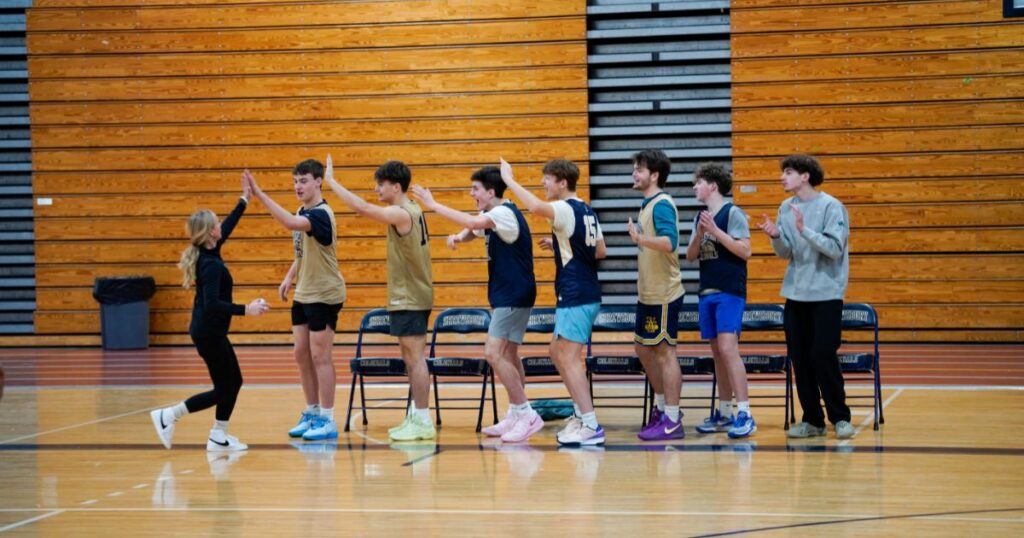
5. Responding to Criticism with Positive Action
Criticism can be a powerful catalyst for personal and athletic growth when approached with the right mindset. Successful athletes understand that constructive feedback is not a personal attack but an opportunity for improvement.
Professional responses to criticism require emotional intelligence and strategic thinking. The most effective athletes transform critical feedback into actionable development strategies that elevate their performance.
The key to responding positively is developing a growth mindset that views criticism as valuable information rather than a threat. This approach requires active listening without becoming defensive, understanding the underlying message and identifying specific areas where performance can be enhanced.
Psychological research indicates that athletes who respond to criticism constructively experience faster skill development and greater emotional resilience. This means listening carefully, asking clarifying questions and requesting specific examples that can inform targeted improvements in technique training or competitive strategy.
Successful athletes create a systematic approach to processing criticism. This involves pausing to evaluate the feedback objectively separating emotional reactions from potential insights and developing a concrete plan to address the identified areas of improvement.
Pro tip: Develop a personal feedback journal where you document critical feedback, analyze its potential value and outline specific actions you will take to transform those insights into measurable performance improvements.
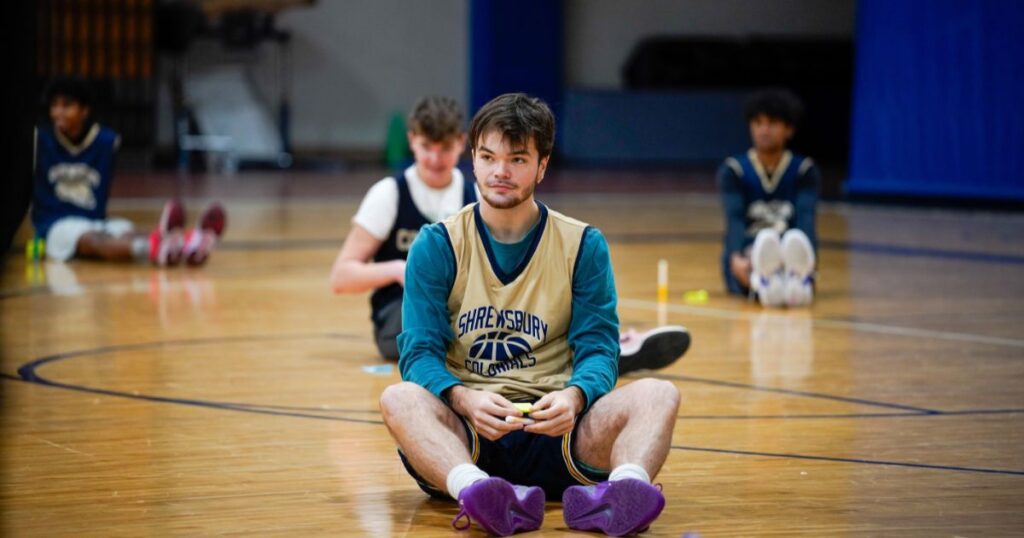
6. Supporting Teammates Through Personal Hardships
True team unity emerges not just during victories but through compassionate support during individual challenges. Athletic teams are more than competitive units; they are communities of mutual care and understanding.
Mental health support strategies are critical for maintaining team cohesion and individual athlete resilience. Effective support requires emotional intelligence, genuine empathy and practical action.
Successful teammates understand that supporting each other through personal hardships involves more than offering sympathy. It means creating a safe environment where vulnerability is respected and individuals feel genuinely heard. This approach requires active listening without judgment and providing both emotional and instrumental support.
Research demonstrates that athletes who experience strong social support from teammates are more likely to maintain their sports participation and develop greater psychological resilience. This support can take many forms ranging from offering a listening ear to helping with practical challenges like transportation or academic support during difficult personal periods.
Key principles of meaningful teammate support include respecting personal boundaries, maintaining confidentiality offering specific help instead of generic statements and consistently following through on commitments. The goal is to communicate that the individual is valued beyond their athletic performance.
Pro tip: Create a team culture of compassionate check-ins where teammates regularly and genuinely ask about each other’s well being without expecting detailed personal disclosures.
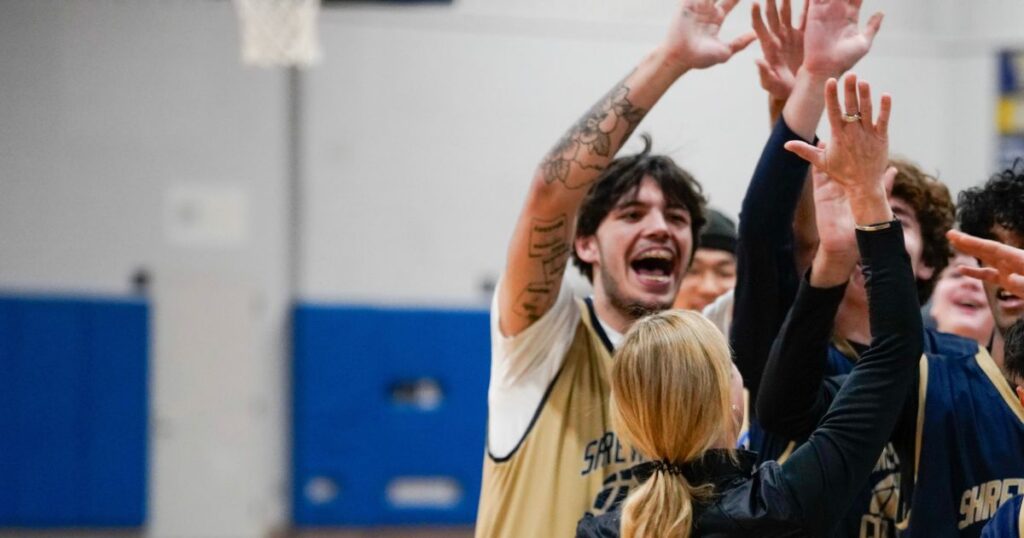
7. Adapting to Unexpected Changes in Competition
Competitive environments demand more than technical skill; they require psychological flexibility and rapid strategic recalibration. Athletes who master the ability to adapt quickly transform potential disruptions into opportunities for exceptional performance.
Adaptive leadership strategies are crucial for athletes navigating unpredictable competitive landscapes. The most successful competitors develop mental frameworks that allow them to respond swiftly and strategically to sudden changes.
Understanding adaptation requires recognizing that unexpected shifts are not obstacles but chances to demonstrate true athletic resilience. This means cultivating a mindset that views challenges as dynamic puzzles to be solved rather than insurmountable barriers. Athletes who excel understand that flexibility is a skill that can be systematically developed and refined.
Psychological research reveals that top performers do not simply react to changes; they anticipate potential scenarios and prepare flexible response strategies in advance. This proactive approach involves mental rehearsal visualization techniques and developing multiple strategic alternatives before competition begins.
The key to successful adaptation is emotional regulation: the ability to maintain composure under pressure and quickly process new information without becoming overwhelmed. Athletes must train themselves to stay centered, calm and analytically focused even when competition takes unexpected turns.
Pro tip: Practice visualization exercises that simulate unexpected competitive scenarios forcing your mind to develop multiple adaptive response strategies before actual competition occurs.
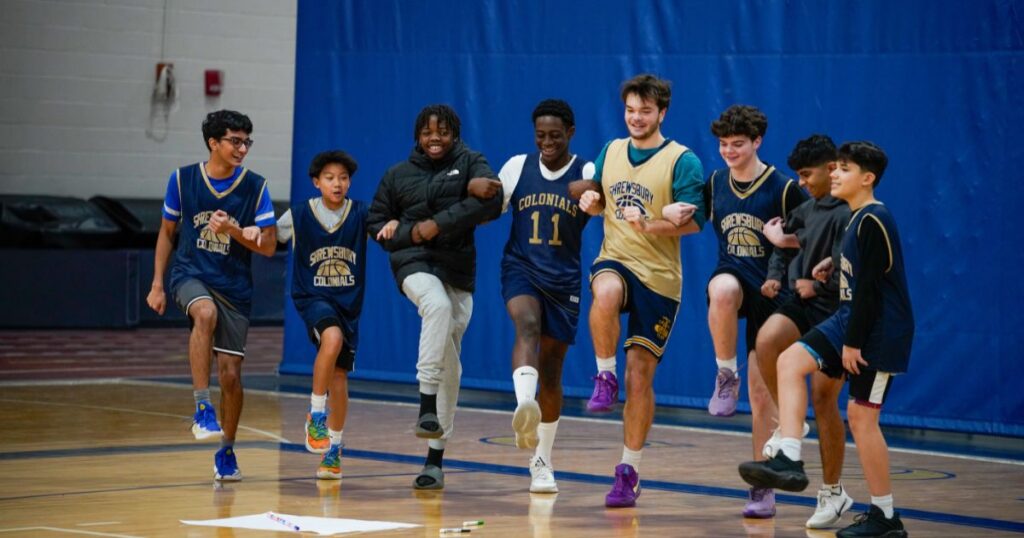
Below is a comprehensive table summarizing the strategies and insights outlined throughout the article.
| Topic | Details | Key Benefits |
| Overcoming Athletic Injuries | Focus on mental and physical recovery, track progress through a journal, and maintain motivation. | Promotes personal growth and resilience alongside recovery success. |
| Managing Defeat and Setbacks | Analyze performance gaps objectively, build a growth mindset, and seek feedback. | Develops resilience and transforms challenges into learning opportunities. |
| Balancing Academics and Athletics | Utilize strategic time management, create task schedules, and integrate cognitive development. | Enhances overall efficiency and reduces burnout risks. |
| Building Team Cohesion Post-Loss | Foster open communication and organized team reflections, aiming to identify and address gaps. | Strengthens team solidarity and refocuses on shared goals. |
| Constructively Handling Criticism | View criticism as constructive feedback, analyze its content, and implement improvements. | Encourages skill advancement and emotional intelligence growth. |
| Supporting Teammates | Offer empathetic listening, maintain confidentiality, and provide actionable support. | Promotes mutual trust and enhances overall team morale. |
| Adapting to Competitive Changes | Anticipate potential scenarios, simulate responses, and practice emotional regulation. | Enhances readiness for unforeseen situations in competitive settings. |
Overcome Athletic Adversity with Proven Strategies and Support
Facing setbacks such as injuries, defeats, or balancing academic, sports and personal life demands can leave many athletes feeling overwhelmed and unsure about how to move forward. Whether you need guidance on embracing criticism positively, turning life’s unexpected challenges into empowering experiences, or building team unity after tough losses, understanding these key pain points is the first step towards lasting transformation.
Discover actionable insights and real-world motivation by exploring Navigating Challenges and learning What to Say to an Athlete That Struggles with Lack of Confidence to build stronger mindsets.

Empower yourself or your team right now by visiting https://navigatingthroughquicksand.com to book your one on one personalized confidence coaching session package, inspiring presentation/assembly, fitness sessions and/or interactive workshops. Begin your journey to resilience today and transform adversity into your greatest strength. I am looking forward to connecting with, learning about and empowering you…LET’S DO THIS!!!
Frequently Asked Questions
What are some key examples of athletes facing adversity?
Many athletes have faced significant adversity, such as injuries, personal loss, or competitive setbacks. Reviewing cases like these can provide inspiration and strategies for overcoming your own challenges in athletics.
How can I develop mental resilience like successful athletes?
Building mental resilience involves recognizing setbacks as learning opportunities and reframing challenges positively. Focus on journaling your experiences to gain insights and adjust your training strategies accordingly.
What steps can I take to support teammates facing personal hardships?
You can support teammates by creating an open environment where they feel safe to share their struggles. Actively listen, respect their boundaries, and offer specific assistance rather than general sympathy.
How do I handle criticism in sports?
Responding to criticism constructively means viewing it as feedback for improvement rather than a personal attack. Practice active listening and document the feedback to outline actionable steps for development.
How can I balance academic responsibilities with athletic commitments?
Creating a structured schedule that allocates specific time for studies and training is critical. Prioritize your tasks and use a digital planner to keep track of deadlines and practice sessions.
Recommended
- An Essential Guide to Overcoming Adversity: Coping Strategies | Navigating Through Quicksand
- Complete Guide to Why Embrace Adversity
- What’s a Student Athlete? An Essential Guide to Understanding the Role | Navigating Through Quicksand
- How to Conquer These Student Athlete Balance Challenges | Navigating Through Quicksand