
Most student-athletes feel the pressure to juggle sports, academics, and personal growth, yet only a small percentage have clear strategies to guide their progress. This challenge matters because understanding your unique strengths, setting specific goals, and tracking your journey not only boosts performance but also builds long-term resilience. If you want to grow as a student and athlete, practical steps for self-assessment and goal-setting will help you make real changes and stand out among your peers.
Table of Contents
Quick Summary
| Key Message | Explanation |
| 1. Understand Your Strengths and Weaknesses | Self-awareness helps students manage academic and athletic demands by improving growth potential. |
| 2. Set Specific Academic Goals | Use SMART goals for academic success, which provides a clear action plan for balancing duties. |
| 3. Prioritize Time Management | Create structured schedules using planning tools to balance academics and athletics effectively. |
| 4. Build Consistent Training Habits | Maintain reliable training routines that incorporate recovery and skill development for optimal performance. |
| 5. Practice Positive Self-Talk | Use positive self-talk and visualization to improve confidence, focus, and resilience in competitions. |
1. Understand Your Personal Strengths and Weaknesses
Knowing yourself is the foundation of success as a student-athlete. Self awareness goes far beyond simply recognizing what you do well or struggle with it means understanding how your unique combination of skills and challenges shape your potential for growth.
Research highlights the critical importance of this self understanding. A comprehensive study examining student-athletes revealed that those who systematically analyze their personal attributes can more effectively manage their dual academic and athletic demands.
Starting this journey requires honest self reflection. Break down your strengths and weaknesses into several key dimensions: athletic performance, academic capabilities, psychological resilience, and interpersonal skills. This multidimensional approach allows you to develop a nuanced view of your abilities.
For athletic performance, consider metrics like speed, technique, endurance, and tactical understanding. Academically, evaluate your study habits, time management, subject comprehension, and learning strategies. Psychological resilience involves examining your stress management, emotional control, motivation levels, and ability to bounce back from setbacks.
Tracking your progress through structured self assessment helps transform weaknesses into opportunities for targeted improvement. Keep a performance journal where you regularly document observations about your skills, challenges, and growth areas. This practice transforms self reflection from a sporadic activity into a systematic development strategy.
Pro tip: Create a personal development dashboard that visually tracks your strengths and weaknesses across different domains, updating it monthly to monitor your continuous improvement journey.
2. Set Specific Academic Achievement Goals
As a student-athlete, your academic performance is just as critical as your athletic achievements. Establishing clear and strategic academic goals provides a roadmap for success that balances your athletic commitments with educational excellence.
Research demonstrates that setting SMART academic goals significantly enhances student-athlete performance. SMART goals are Specific, Measurable, Achievable, Relevant, and Time-bound. This framework transforms vague aspirations into concrete action plans.
Instead of a generic goal like “do better in school,” craft precise objectives. For example, “Maintain a 3.5 GPA this semester” or “Complete all assignments one day before their deadline.” These specific targets create accountability and provide clear metrics for tracking your progress.
Breaking down long-term academic goals into smaller milestones makes them more manageable. If your ultimate aim is earning academic honors, create quarterly benchmarks. These might include improving grades in challenging subjects, dedicating consistent study hours, or seeking additional academic support when needed.
Document your goals in a visible location. A written goal transforms from a passing thought into a commitment. Consider creating a digital or physical dashboard where you can track your academic achievements and adjust strategies as needed.
Pro tip: Design a weekly academic planning session where you review your progress, recalibrate goals, and celebrate small victories to maintain consistent motivation and momentum.
3. Improve Your Time Management Skills
Mastering time management is a critical skill for student-athletes who must navigate the complex balance between academic responsibilities and athletic commitments. Your ability to strategically allocate time determines not just your performance but your overall success and well-being.
Research highlights that successful student-athletes develop robust organizational strategies to manage their dual responsibilities. This involves creating structured schedules that account for practice times, study hours, class attendance, and personal downtime.
Start by investing in a comprehensive planning system. Choose a digital calendar or physical planner that allows you to color code different types of commitments. Assign specific colors for academic tasks, athletic practices, personal study time, and rest periods. This visual approach helps you quickly understand how your time is distributed and identify potential scheduling conflicts.
Prioritization is key to effective time management. Not all tasks are created equal. Use techniques like the Eisenhower Matrix to categorize tasks based on their urgency and importance. Focus on high priority items first and learn to delegate or eliminate low value activities that consume unnecessary time.
Understand that flexibility is as important as structure. While having a planned schedule is crucial, you must also build in buffer time for unexpected events. Athletic injuries, additional study requirements, or team commitments can disrupt your original plans. A rigid schedule can become a source of stress, so design your time management approach with adaptability in mind.
Pro tip: Create a weekly review session every Sunday evening where you assess your previous week’s schedule, adjust upcoming commitments, and proactively plan for potential challenges.
4. Build Consistent Training Habits
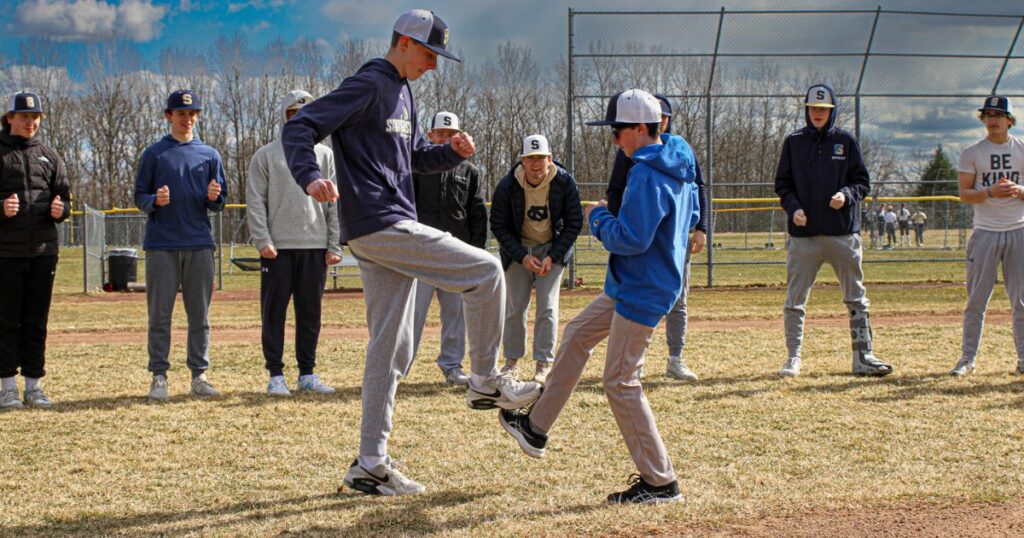
Consistent training habits are the backbone of athletic success and personal growth. As a student-athlete, your ability to develop a reliable and purposeful training routine will directly impact your performance and long-term athletic potential.
Research underscores the importance of developing structured and evidence-based training strategies that balance intensity, recovery, and skill development. Consistency is not about endless hours of training but about smart, intentional practice.
Start by creating a detailed training log that tracks your workouts, performance metrics, and recovery periods. This documentation helps you identify patterns, track progress, and make data-driven adjustments to your training approach. Break down your training into specific components: technical skills, strength conditioning, cardiovascular endurance, and sport specific drills.
Implement a periodization approach that cycles through different training intensities and focuses. This method prevents burnout, reduces injury risk, and ensures continuous improvement. Alternate between high intensity training weeks and recovery weeks, allowing your body time to adapt and rebuild.
Prioritize recovery as much as training. Proper nutrition, hydration, sleep, and active recovery techniques are fundamental to maintaining consistent training habits. Your body needs adequate rest to process and benefit from intense training sessions. Aim for 7 to 9 hours of quality sleep and develop pre and post workout nutrition strategies that support muscle recovery and energy replenishment.
Pro tip: Schedule your training sessions like important academic appointments, creating non negotiable time blocks in your calendar that protect your fitness commitment.
5. Enhance Team Communication and Leadership
Leadership is not a title you receive but a skill you develop through consistent practice and self awareness. As a student-athlete, your ability to communicate effectively and inspire your teammates can transform team dynamics and performance.
Research demonstrates that athlete leadership significantly impacts team performance and mental well-being. Effective leadership goes beyond giving instructions; it involves creating an environment of trust, mutual respect, and collective motivation.
Start by developing your emotional intelligence. Learn to read nonverbal cues, listen actively, and respond with empathy. During team practices and competitions, practice communicating clearly and constructively. Offer supportive feedback that focuses on specific actions and potential improvements rather than criticism.
Understand that leadership manifests in multiple ways. You can be a leader through your work ethic, positive attitude, or ability to motivate teammates during challenging moments. Leadership is not about being the most vocal person but about consistently demonstrating commitment, integrity, and a team first mentality.
Create opportunities for team building and open communication. Organize team dinners, study groups, or informal meetups that allow teammates to connect beyond the athletic field. These interactions build trust, understanding, and a sense of shared purpose that translates into better on field performance.
Pro tip: Develop a personal leadership journal where you reflect on your communication style, track team interactions, and set specific goals for improving your leadership skills each month.
6. Practice Positive Self-Talk and Mindset
Your internal dialogue is a powerful performance tool that can either propel you forward or hold you back. Positive self-talk is more than motivational mantras, it is a strategic mental skill that directly influences your athletic and academic success.
Research reveals that intentional self-talk strategies significantly impact an athlete’s emotional regulation and performance. Your internal narrative shapes your confidence, focus, and resilience in challenging situations.
Develop a personal self-talk toolkit with both motivational and instructional phrases. Motivational statements like “I am prepared” or “I can handle this” build confidence, while instructional phrases such as “Stay low” or “Quick feet” provide technical guidance during performance moments. Practice these phrases during training so they become automatic during competitions.
Recognize and interrupt negative thought patterns. When self critical thoughts emerge, consciously pause and reframe them. Instead of thinking “I always mess up in crucial moments,” redirect your thoughts to “I am learning and improving with each experience.” This approach transforms potential mental barriers into opportunities for growth.
Create a routine of positive visualization and affirmation. Spend five minutes each morning and before competitions mentally rehearsing successful scenarios. Imagine yourself executing skills perfectly, responding to challenges with composure, and maintaining emotional balance under pressure.
Pro tip: Record and regularly review positive self-talk phrases that genuinely resonate with you, creating a personalized mental performance script that you can reference and adapt.
7. Track Progress and Adjust Goals Regularly
Goals are not static blueprints but dynamic roadmaps that require continuous evaluation and recalibration. As a student-athlete, your ability to monitor, reflect, and adapt your goals is just as important as setting them initially.
Research demonstrates that systematic goal tracking supports sustained motivation and performance improvement. Successful athletes treat their goals as living documents that evolve with their skills, challenges, and personal growth.
Establish a monthly review process where you comprehensively assess your academic and athletic goals. Break this assessment into three key dimensions: performance metrics, personal development indicators, and emotional well-being. For athletic goals, examine improvements in speed, technique, or competitive results. Academic goals might involve grade progression, study efficiency, or learning strategy effectiveness.
Develop a visual tracking system that makes progress tangible. This could be a digital dashboard, a physical wall chart, or a dedicated notebook. Color code your goals green for on track, yellow for needing adjustment, and red for requiring significant strategy revision. This visual approach transforms abstract objectives into concrete, manageable targets.
Remember that goal adjustment is not failure, it is strategic adaptation. When you encounter obstacles, view them as opportunities to refine your approach. If a particular training method is not yielding expected results, research alternative techniques. If an academic strategy is not improving your performance, consult with tutors or academic advisors to develop new learning strategies.
Pro tip: Create a quarterly goal reset ritual where you celebrate achievements, analyze setbacks, and intentionally redesign your goals to align with your current capabilities and future aspirations.
Below is a comprehensive table summarizing the strategies and insights shared in the article for student-athletes to succeed both academically and athletically.
| Topic | Reflection Areas | Benefits and Implementation |
| Understand Personal Strengths and Weaknesses | Assess domains such as athletic performance, academic capabilities, psychological resilience, and interpersonal skills. | Build a multidimensional self-awareness enabling targeted growth and enhanced self-management. |
| Set Specific Academic Achievement Goals | Formulate SMART goals to achieve academic excellence alongside athletic commitments. | Enhances strategic planning and provides measurable progress indicators. |
| Improve Time Management Skills | Develop structured schedules and employ prioritization frameworks. | Fulfills both academic and athletic responsibilities efficiently with reduced stress. |
| Build Consistent Training Habits | Schedule and document intentional practice routines with recovery considerations. | Promotes long-term athletic performance and reduces burnout. |
| Enhance Team Communication and Leadership | Improve emotional intelligence, communication, and leadership abilities. | Leads to better team dynamics, trust formation, and collective motivation. |
| Practice Positive Self-Talk and Mindset | Use motivational and instructional phrases to foster confidence and focus. | Enhances emotional regulation and supports both academic and athletic achievements. |
| Track Progress and Adjust Goals Regularly | Review and adapt academic and athletic objectives comprehensively. | Facilitates sustained motivation and ensures alignment with evolving aspirations. |
Unlock Your Full Potential as a Student-Athlete Today
Balancing the demands of academics and athletics is one of the hardest challenges student-athletes face. This article highlights key goals like improving time management skills, setting SMART academic targets, and building consistent training habits. It also emphasizes the power of positive self-talk and leadership, which are essential to overcoming setbacks and maintaining motivation. If you are ready to transform these goals into lasting success, you do not have to do it alone.
At NavigatingThroughQuicksand.com, I offer expert one-on-one confidence coaching, interactive motivational: workshops, presentations, assemblies and fitness sessions. All of my NTQ aforementioned services are designed to help student-athletes develop resilience, sharpen leadership, and create actionable strategies for not only sports and academics, but all aspects of life. Start by exploring how my personalized services will guide you through adversity toward growth and achievement. Visit NavigatingThroughQuicksand.com now and take the first step to build the mindset and habits every successful student-athlete needs. Your path to greatness begins here.

Frequently Asked Questions
What should my personal development goals be as a student-athlete?
Your personal development goals should focus on understanding your strengths and weaknesses in athletics, academics, and personal resilience. Begin with self-reflection and maintain a performance journal to track your growth over time.
How can I set effective academic achievement goals?
To set effective academic goals, apply the SMART criteria by making them Specific, Measurable, Achievable, Relevant, and Time-bound. For example, aim to maintain a 3.5 GPA this semester and review your goals weekly to ensure you’re on track.
What time management strategies can I implement as a student-athlete?
Implement a visual planning system using a digital calendar or physical planner to allocate your time effectively between practices, classes, and personal time. Try color coding your commitments and prioritize high-importance tasks daily for better organization.
How can I build consistent training habits?
Establish consistent training habits by creating a structured training log and implementing a periodized approach to your workouts. Schedule your training sessions as non-negotiable appointments in your calendar to reinforce commitment.
What steps can I take to enhance my communication and leadership skills?
To enhance your communication and leadership skills, focus on developing emotional intelligence and practice active listening during team interactions. Consider reflecting on your experiences in a leadership journal, tracking your progress monthly to identify areas for improvement.
How often should I track my progress and adjust my goals as a student-athlete?
Track your progress and adjust your goals monthly to stay aligned with your academic and athletic ambitions. Use a visual tracking system to assess performance metrics and personal development, and remember that adjusting goals is a strategic way to adapt to new challenges.
Recommended
- How to Conquer These Student Athlete Balance Challenges | Navigating Through Quicksand
- What’s a Student Athlete? An Essential Guide to Understanding the Role | Navigating Through Quicksand
- What is a Student Athlete? Everything You Need to Know | Navigating Through Quicksand
- How to Boost Student Athlete Fitness Training in Less Than an Hour a Day | Navigating Through Quicksand