
Many high school athletes struggle with self-doubt that can hold them back from reaching their best. Competing in sports can bring intense pressure and high expectations, if approached through a negative lens the aforementioned can make confidence difficult to build and resilience tough to maintain. However, understanding how self esteem coaching works empowers young athletes to develop a stronger mindset, leading not just to better performance, but also to greater growth and satisfaction in their daily lives.
Table of Contents
Key Takeaways
| Point | Details |
| Self Esteem Coaching is Crucial | It supports athletes in developing intrinsic self-worth, resilience, and confidence beyond just competitive outcomes. |
| Effective Techniques Enhance Development | Coaches should use strategies like positive self-talk, Socratic questioning, and realistic goal setting to foster personal growth. |
| Diverse Coaching Styles Impact Growth | Understanding and adapting various coaching styles can significantly enhance athletes’ motivation and psychological well-being. |
| Ethical Responsibilities Are Essential | Coaches must prioritize athlete safety, confidentiality, and individualized guidance to create supportive training environments. |
Defining Self Esteem Coaching for Athletes
Self esteem coaching for teen athletes represents a specialized psychological approach designed to build confidence, resilience, and positive self-perception within competitive sports environments. Psychological research reveals that this coaching methodology goes far beyond traditional performance training, focusing instead on developing athletes’ intrinsic sense of worth and capability.
At its core, self esteem coaching involves creating supportive environments where athletes learn to recognize their inherent value independent of competitive outcomes. Research from sports psychology indicates that this approach helps young athletes develop a more nuanced understanding of personal growth, emphasizing skill development, emotional intelligence, and psychological resilience.
The key components of effective self esteem coaching include:
- Providing constructive, non-judgmental feedback
- Teaching positive self-talk strategies
- Helping athletes separate performance from personal worth
- Building psychological skills alongside physical training
- Creating environments that celebrate effort and personal improvement
Pro Tip: Practice reframing negative self-talk by immediately challenging critical inner narratives with evidence-based, compassionate perspectives about your abilities and potential.

Core Techniques of Self Esteem Coaching
Self esteem coaching for teen athletes relies on sophisticated psychological techniques designed to systematically enhance an individual’s confidence and self-perception. Powerful coaching models like the GROW framework provide structured approaches that help athletes develop robust problem-solving skills and introspective capabilities through goal-oriented questioning and strategic reflection.
Psychological intervention techniques play a critical role in self esteem coaching, integrating multiple approaches to create comprehensive athlete development strategies. Research demonstrates that effective coaching combines cognitive-behavioral methods, positive psychology principles, and adult learning theories to create transformative coaching experiences that go beyond traditional performance training.
Key techniques in self esteem coaching include:
- Socratic questioning to promote self-discovery
- Reflective listening and empathetic communication
- Challenging negative self-narratives
- Setting realistic and achievable personal goals
- Developing individualized resilience strategies
- Creating positive feedback loops
- Teaching emotional regulation skills
These techniques work synergistically to help teen athletes build a strong, resilient psychological foundation that supports both personal growth and competitive performance. By addressing underlying belief systems and providing supportive, non-judgmental guidance, coaches can help athletes transform their self-perception and unlock their full potential.
Pro Tip: Practice systematic self-reflection by keeping a weekly journal that documents your emotional responses, challenges, and personal growth insights.
Varieties of Coaching Styles and Approaches
Coaching styles represent a critical dimension in athlete development, with profound psychological implications for performance and personal growth. Research reveals a spectrum of coaching approaches that range from autonomy-supportive to more controlling methodologies, each significantly impacting an athlete’s motivation, emotional resilience, and overall psychological well-being.
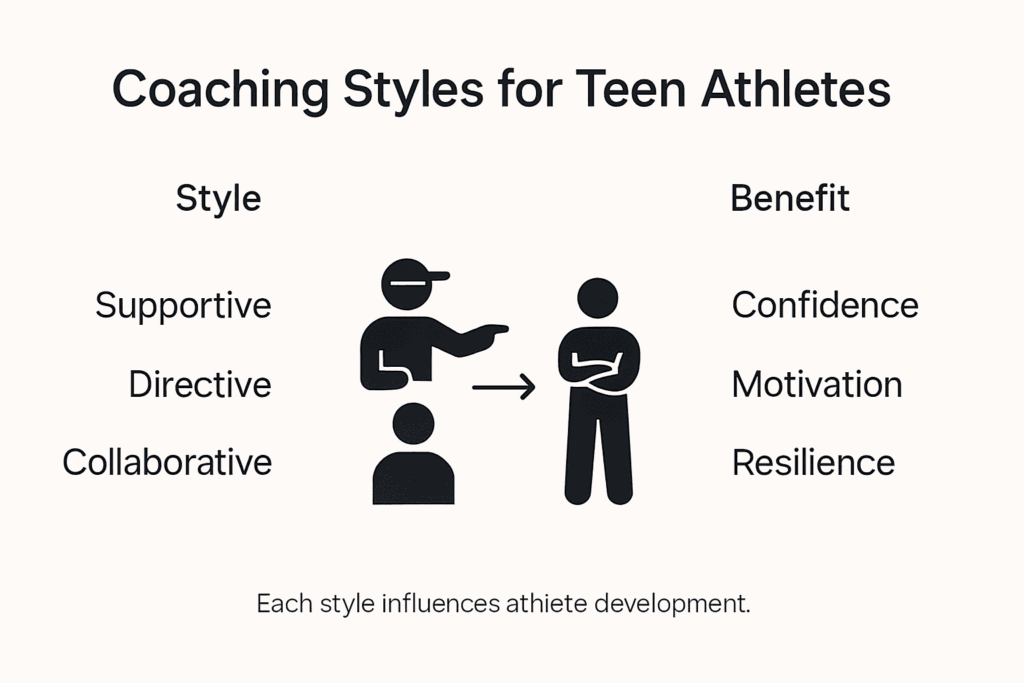
Coaching practices encompass a diverse toolkit that adapts to individual athlete needs and developmental stages. The most effective coaches understand how to navigate between different approaches, recognizing that no single style works universally for all athletes. This adaptive approach involves carefully balancing directive guidance with empowering strategies that foster intrinsic motivation and self-discovery.
Key varieties of coaching styles include:
- Autonomy-Supportive Coaching
- Emphasizes athlete’s personal choice and self-direction
- Encourages internal motivation
- Provides constructive, non-controlling feedback
- Directive Coaching
- Offers structured, clear instructions
- Provides immediate technical corrections
- Best used for skill acquisition and technical training
- Transformational Coaching
- Focuses on holistic athlete development
- Addresses psychological and emotional growth
- Builds long-term personal and athletic capabilities
- Collaborative Coaching
- Creates partnership between coach and athlete
- Involves mutual goal-setting and strategy development
- Promotes shared responsibility for performance
Understanding and flexibly applying these coaching approaches allows athletes to develop not just physical skills, but also critical psychological resilience, self-awareness, and personal growth strategies that extend far beyond their athletic careers.
Here’s a concise comparison of major coaching styles and their psychological benefits for teen athletes:
| Coaching Style | Athlete Motivation Focus | Key Psychological Benefit |
| Autonomy-Supportive | Encourages self-direction | Strengthens intrinsic drive |
| Directive | Emphasizes skill mastery | Builds technical confidence |
| Transformational | Develops personal identity | Increases long-term growth |
| Collaborative | Promotes shared decision | Fosters trust and autonomy |
Pro Tip: Regularly assess and reflect on your coaching interactions, asking athletes for feedback about which approaches help them feel most supported and motivated.
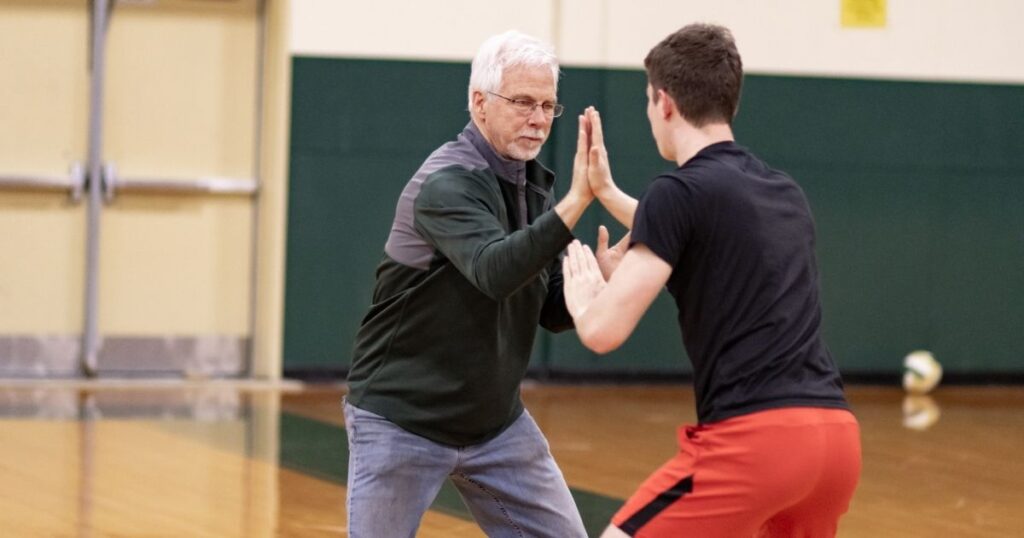
Building Resilience and Positive Mindsets
Extensive sports participation creates significant opportunities for developing psychological resilience among teen athletes. Resilience is not simply about bouncing back from challenges, but about cultivating a robust mental framework that transforms obstacles into growth opportunities. This dynamic process involves developing psychological resources that enable athletes to adapt, learn, and thrive in increasingly complex competitive environments.
Adolescent athletes build resilience through multiple interconnected strategies. Research demonstrates that comprehensive resilience development involves integrating emotional intelligence, stress management techniques, and consistent personal growth practices. These approaches work synergistically to create psychological armor that protects against potential setbacks while simultaneously fostering a positive, growth-oriented mindset.
Key components of building resilience and positive mindsets include:
- Developing emotional self-regulation skills
- Creating personalized coping strategies
- Practicing mindfulness and present-moment awareness
- Building supportive social networks
- Reframing challenges as learning opportunities
- Maintaining consistent physical and mental training
- Cultivating a growth-oriented perspective
Successful resilience building requires athletes to view challenges not as insurmountable barriers, but as essential experiences that contribute to personal development. By systematically developing psychological flexibility, teen athletes can transform potential sources of stress into powerful catalysts for growth, performance enhancement, and personal empowerment.
Pro Tip: Create a weekly reflection journal documenting your challenges, emotional responses, and specific strategies used to overcome obstacles, tracking your psychological growth over time.
Coach Responsibilities and Ethical Boundaries
Professional coaching ethics establish critical guidelines for creating safe, respectful, and transformative environments for teen athletes. These ethical boundaries go far beyond simple rule compliance, representing a profound commitment to athlete well-being, personal development, and psychological safety.
Coaching responsibilities encompass a comprehensive framework of professional conduct that balances athlete development with personal integrity. Ethical coaching practices require maintaining clear professional boundaries while simultaneously creating supportive, growth-oriented relationships that empower young athletes to develop both athletic skills and personal resilience.
Key ethical responsibilities for coaches include:
- Prioritizing athlete physical and psychological safety
- Maintaining strict confidentiality
- Avoiding conflicts of interest
- Practicing within professional competence limits
- Providing age-appropriate, developmentally sensitive guidance
- Respecting individual athlete diversity and unique backgrounds
- Promoting inclusive and supportive training environments
- Continuously updating professional skills and knowledge
Successful coaching transcends technical skill instruction, demanding a holistic approach that recognizes each athlete’s inherent dignity, potential, and individual developmental journey. Ethical coaches serve as mentors, role models, and supportive guides who understand that their influence extends far beyond athletic performance.
Below is a summary highlighting core coach responsibilities and the risks of neglecting them:
| Responsibility Area | Purpose | Risk if Ignored |
| Athlete Safety | Protect physical and mental well-being | Increased injury or stress |
| Confidentiality | Maintain athlete trust and privacy | Loss of trust, ethical violations |
| Individualized Guidance | Support diverse needs and backgrounds | Decreased motivation, alienation |
| Ongoing Professional Growth | Ensure current, effective coaching | Outdated practices, reduced success |
Pro Tip: Regularly conduct self-assessments of your coaching practice, seeking anonymous feedback from athletes and peers to identify potential blind spots in your ethical approach.
Risks, Mistakes, and What to Avoid
Understanding potential coaching risks is crucial for developing supportive, psychologically intelligent training environments that prioritize athlete well-being over simplistic performance metrics.
Coaching mistakes represent complex psychological challenges that extend beyond immediate athletic performance. Professional coaching guidelines highlight critical risks that can potentially harm athlete development, emphasizing the need for continuous professional awareness and ethical self-reflection.
Key risks and mistakes to avoid include:
- Overemphasizing winning at the expense of personal growth
- Failing to establish clear, healthy professional boundaries
- Discounting emotional intelligence in training approaches
- Ignoring signs of athlete burnout or psychological distress
Successful coaching requires a nuanced understanding that athlete development is a holistic process involving psychological, emotional, and physical dimensions. Coaches must consistently prioritize athlete well-being, recognize individual differences, and create supportive environments that foster intrinsic motivation and personal growth.
Pro Tip: Develop a comprehensive self-assessment protocol that includes regular feedback from athletes, peers, and supervisors to identify and address potential coaching blind spots.
Elevate Teen Athletes with Proven Confidence and Self-Esteem Coaching
Building self-esteem in teen athletes requires more than just physical training. It demands targeted strategies that promote resilience, emotional regulation, and a positive self-image independent of performance outcomes. If you recognize challenges like negative self-talk, pressure to win, or struggles to maintain motivation among young athletes, my NTQ approach to Confidence Coaching offers practical solutions grounded in psychological insights.
Experience the transformative impact of creating a Positive Environment that Contributes to Healthy Self-Esteem. At NavigatingThroughQuicksand.com, I provide motivational speaking assemblies, interactive workshops, and one on one confidence coaching that empower teen athletes to develop endurance, mental strength, and confidence that last beyond the game. Take the next step to unlock real growth and resilience for your team or youth group by exploring my NTQ offerings today.
Frequently Asked Questions
What is self esteem coaching for teen athletes?
Self esteem coaching for teen athletes is a specialized approach that aims to build confidence, resilience, and a positive self-perception in young athletes. It focuses on recognizing their inherent value independent of competitive outcomes and promotes personal growth and psychological resilience.
What techniques are commonly used in self esteem coaching?
Common techniques in self esteem coaching include Socratic questioning, reflective listening, positive self-talk strategies, development of personalized resilience strategies, and creating positive feedback loops to enhance athletes’ self-perception and psychological well-being.
How do coaching styles impact a teen athlete’s development?
Coaching styles significantly affect an athlete’s motivation and emotional resilience. Autonomy-supportive coaching fosters intrinsic motivation, while directive coaching focuses on skill mastery. Effective coaches adapt their style to meet individual athlete needs and developmental stages for optimal growth.
Why is building resilience important for teen athletes?
Building resilience is crucial for teen athletes as it helps them transform challenges into growth opportunities. It equips them with skills to adapt, learn, and thrive in competitive environments, ultimately enhancing their performance and overall well-being.
Recommended
- Understanding How Many Student Athletes Struggle With Mental Health | Navigating Through Quicksand
- 5 Benefits of Being a Student Athlete You’ll Love | Navigating Through Quicksand
- How to Conquer These Student Athlete Balance Challenges | Navigating Through Quicksand
- What to Say to an Athlete Who Struggles with Confidence: A Step-by-Step Guide | Navigating Through Quicksand