
Many educators assume resilience training simply teaches students to push through hardship, but research reveals a far richer landscape. True resilience training cultivates adaptive emotional regulation, cognitive flexibility, and optimism: skills that directly improve coping and performance consistency by measurable margins. This guide clarifies what resilience training actually involves, presents evidence-based frameworks like the 5 Cs, and offers practical implementation strategies for educators and coaches seeking to enhance student and athlete development.
Table of Contents
Key Takeaways
| Point | Details |
| Resilience training develops emotional regulation, optimism, and cognitive flexibility beyond grit. | These adaptive skills enable youth to recover from setbacks and sustain performance under pressure. |
| The 5 Cs framework guides effective program design for youth and athletes. | Competence, Confidence, Connection, Character, and Caring form a proven evidence-based model. |
| Students and athletes achieve 15-30% improvements in coping and performance consistency. | Quantifiable outcomes validate resilience training investment and inform ongoing program refinement. |
| Common misconceptions view resilience as innate toughness or quick fixes. | Effective training requires ongoing practice, adaptive coping strategies, and context-specific design. |
| Successful implementation demands trained facilitators and continuous support. | Facilitator expertise and booster sessions maintain fidelity and deepen skill acquisition over time. |
Understanding Resilience: Definition and Psychological Foundations
Resilience is the capacity to adapt and recover from adversity, not merely enduring stress. Psychologically, resilience involves emotional regulation, cognitive flexibility, and optimism rather than sheer grit. These components enable youth to navigate setbacks, maintain wellbeing, and sustain academic or athletic performance during challenging periods.
Emotional regulation allows students and athletes to manage stress responses constructively. Cognitive flexibility supports problem-solving and perspective-taking when confronting obstacles. Optimism fuels persistence by framing challenges as temporary and surmountable. Together, these skills create a psychological foundation for thriving under pressure.
Key psychological components include:
- Emotional regulation to manage anxiety and frustration effectively
- Cognitive flexibility enabling adaptive thinking and creative problem solving
- Optimism fostering belief in improvement and growth through effort
- Social connection providing support networks during adversity
Misconceptions often equate resilience with mental toughness alone, overlooking the nuanced emotional and cognitive skills required. Understanding this broader definition helps educators and coaches design programs that cultivate genuine adaptive capacity rather than superficial grit.
Core Components of Resilience Training Programs
Effective resilience training relies on structured frameworks and evidence-based techniques. The 5 Cs framework offers a proven model: Competence, Confidence, Connection, Character, and Caring. This structure guides program design by addressing skill mastery, self-belief, relationships, values, and empathy.
Common techniques include mindfulness practices for emotional awareness, cognitive behavioral approaches to reframe negative thoughts, and goal-setting exercises to build mastery. Athlete-specific programs often incorporate visualization, performance self-talk, and stress inoculation for competition pressure. Youth general programs emphasize social-emotional learning, peer support activities, and character development.
Program Type Comparison:
| Feature | Youth General Programs | Athlete-Specific Programs |
| Primary Focus | Social connection and emotional regulation | Performance consistency and competition stress |
| Key Techniques | Peer support activities, character education | Visualization, self-talk, mental rehearsal |
| Skill Emphasis | Optimism, caring, relationship building | Confidence, competence, pressure management |
| Context | Classroom and community settings | Training environments and competitive scenarios |
Core program elements:
- Mindfulness practices to enhance present-moment awareness and reduce anxiety
- Cognitive behavioral strategies teaching thought reframing and adaptive coping
- Goal-setting frameworks building competence and self-efficacy progressively
- Reflective exercises encouraging metacognition and skill transfer
Pro Tip: Selecting or designing a program that balances psychological theory with real-world practice maximizes impact. Integrating resilience-building exercises into existing curricula ensures consistency and participant engagement over time.
Context-specific design matters profoundly. Athletic programs need sport psychology elements, while classroom programs benefit from academic stress management and peer collaboration strategies. Following a 4-step resilience building guide helps educators tailor content to their unique setting and population.
Quantifiable Benefits of Resilience Training for Students and Athletes
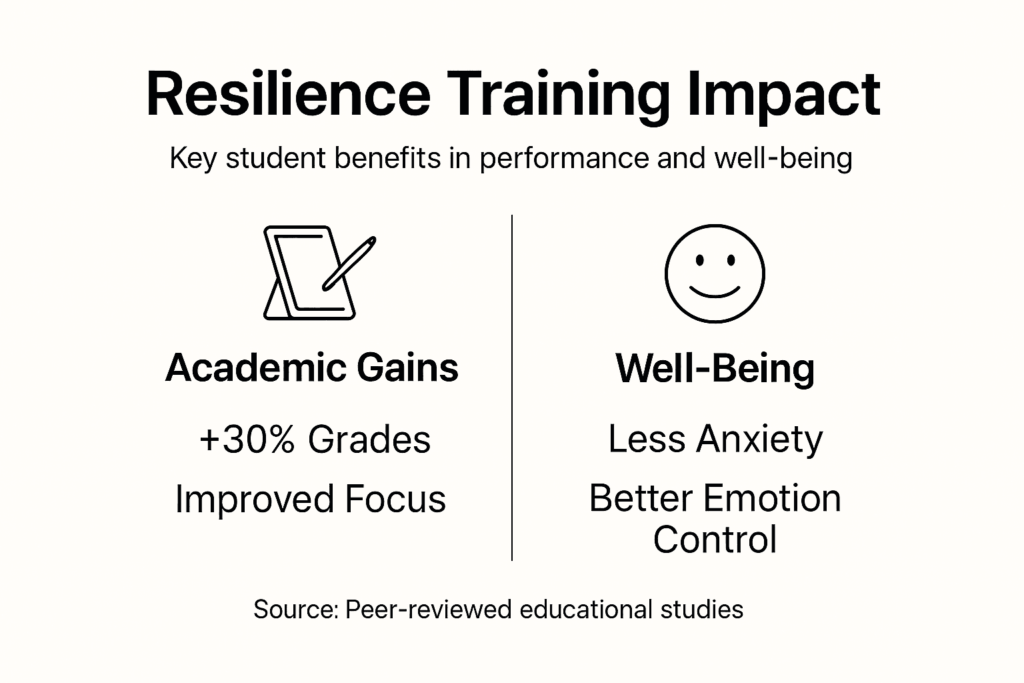
Data-driven outcomes demonstrate resilience training’s measurable value. Research shows resilience training increases athletic performance consistency by approximately 15% during high-pressure competitions. Students display 30% improvement in coping skills and significant reductions in behavioral issues after structured programs.
Mindfulness components specifically reduce anxiety symptoms, with participants reporting improved emotional control and reduced stress reactivity. These quantifiable improvements validate investment and support ongoing program refinement based on evidence.
Resilience Training Outcomes:
| Metric | Before Training | After Training | Improvement |
| Athletic Performance Consistency | Baseline | 15% increase | Significant |
| Student Coping Skills | Baseline | 30% increase | Substantial |
| Anxiety Symptom Reduction | Baseline | 20-25% decrease | Notable |
| Behavioral Issues | Baseline | 25% decrease | Meaningful |
Key benefits include:
- Enhanced performance stability during competitions and high-stakes assessments
- Improved emotional regulation reducing disruptive behaviors and conflict
- Greater confidence and self-efficacy supporting sustained effort
- Reduced anxiety enabling clearer thinking and better decision-making
15% Performance Gain: Athletes trained in resilience demonstrate notably higher consistency under competitive pressure compared to peers without such training.
Pro Tip: Regularly assessing these metrics helps track program success and guides adjustments. Use validated scales for coping skills, anxiety levels, and performance indicators to maintain accountability and demonstrate value to stakeholders.
Common Misconceptions About Resilience and Its Training
Widespread misunderstandings can undermine resilience training effectiveness. Many assume resilience equals grit or mental toughness, overlooking the adaptive coping and emotional flexibility required. Resilience is not an innate trait but a set of learnable skills developed through deliberate practice.
Another misconception treats resilience training as a quick fix. Sustainable skill development demands ongoing practice, reflection, and reinforcement through booster sessions. One-time interventions rarely produce lasting change.
Assuming program uniformity across contexts reduces effectiveness. Classroom programs need different emphases than competitive athlete training. Contextual adaptation matters profoundly for engagement and skill transfer.
Common misconceptions include:
- Resilience is innate toughness rather than learnable adaptive skills
- Quick workshops provide lasting results without ongoing reinforcement
- All resilience programs work equally across different populations and settings
- Emotional expression indicates weakness rather than healthy regulation
- Resilience training replaces mental health support rather than complementing it
These misunderstandings reduce trainee engagement and program fidelity. Educators and coaches must clarify that resilience involves adaptive coping strategies, emotional intelligence, and cognitive flexibility developed systematically over time. Addressing misconceptions upfront builds realistic expectations and stakeholder buy-in.

Implementing Resilience Training: Practical Guidance for Educators and Coaches
Successful resilience training adoption requires deliberate planning and execution. Follow these steps to embed lasting resilience training effectively:
- Train facilitators thoroughly in psychological principles, program content, and context-specific applications. Facilitator expertise directly determines program fidelity and participant outcomes.
- Integrate resilience concepts into regular curricula or training routines rather than isolating them. Embedding resilience exercises into daily practice normalizes skills and increases practice frequency.
- Use reflective practice and real-world scenarios to reinforce skills. Ask participants to journal about challenges, apply coping strategies, and share experiences to deepen learning and transfer.
- Schedule booster sessions quarterly or biannually to maintain and deepen skills. Resilience competencies require ongoing practice to become automatic responses during stress.
- Monitor implementation fidelity carefully through observation, participant feedback, and outcome tracking. Skimping on facilitator training or session frequency significantly reduces benefits.
- Communicate regularly with stakeholders including parents, administrators, and participants. Transparency about goals, methods, and progress builds support and encourages retention.
Pro Tip: Facilitator expertise is non-negotiable. Inadequate training undermines even well-designed programs. Invest in comprehensive professional development and provide ongoing coaching to maintain quality.
Follow a structured approach to investing in resilience that emphasizes preparation, integration, and continuous improvement. Adapt classroom management strategies to maintain engagement and create safe learning environments where participants feel comfortable practicing new skills.
Overcoming Barriers and Measuring Success
Anticipating challenges enables proactive solutions. Common barriers include participant dropout, facilitator skill gaps, and low engagement from stakeholders or trainees. Address dropout by scheduling convenient sessions, emphasizing relevance, and celebrating incremental progress.
Facilitator skill gaps require upgraded training and ongoing professional development. Provide mentoring, observation feedback, and advanced workshops to deepen expertise. Low engagement often stems from unclear value propositions or poor program fit. Communicate benefits clearly and tailor content to participant needs.
Common implementation barriers:
- Participant dropout due to scheduling conflicts or perceived irrelevance
- Insufficient facilitator training reducing program quality and fidelity
- Low engagement from students, athletes, or parents lacking buy-in
- Resource constraints limiting session frequency or materials availability
- Resistance to emotional skill training from traditional stakeholders
Success measurement requires validated assessments. Use coping skill scales, anxiety reduction instruments, and performance consistency metrics to track outcomes. Incorporate participant feedback through surveys and focus groups to identify improvement opportunities.
Recommended success metrics:
- Validated coping skill assessments administered pre and post program
- Anxiety and stress scales measuring emotional regulation improvements
- Performance consistency indicators tracking academic or athletic stability
- Behavioral observation data documenting real-world skill application
- Participant satisfaction and engagement surveys informing refinements
Establish feedback loops with regular evaluation cycles. Review data quarterly, adjust programming based on findings, and communicate results to stakeholders. This iterative approach ensures continuous improvement and sustained impact.
Explore Expert-Led Resilience Programs and Workshops
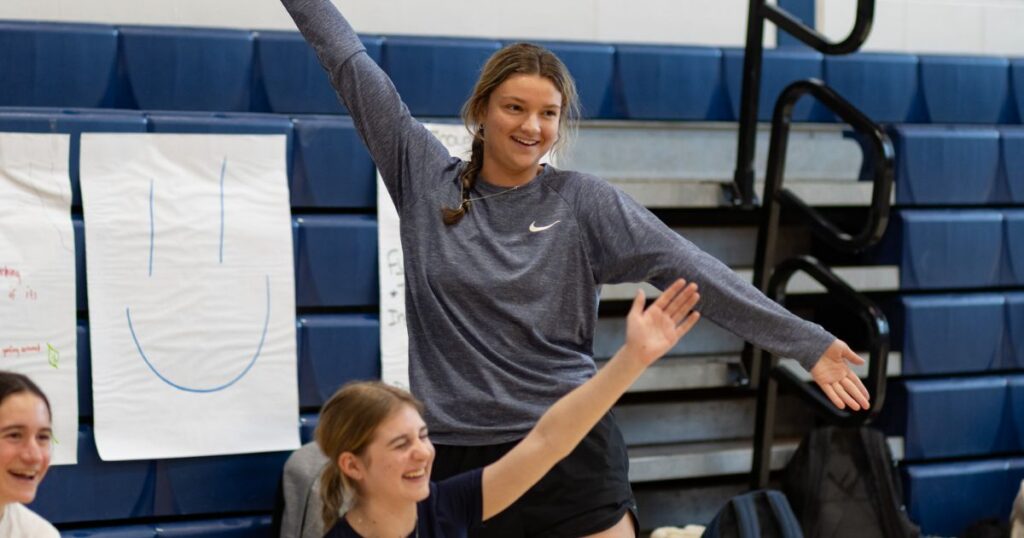
Navigating Through Quicksand offers specialized resilience training designed specifically for educators youth/high school/college sports coaches. When conducting my interactive workshops and presentations I bring my personal experience overcoming adversity and professional expertise facilitating evidence-based programs that transform student and athlete development.
Workshops combine psychological principles with practical application, equipping facilitators to implement high-fidelity programs immediately. Participants gain hands-on experience with the 5 Cs framework, cognitive behavioral techniques, and context-specific adaptations for classrooms or athletic settings.
Explore Ashley’s resilience coaching journey to understand the real impact of resilience training. Discover comprehensive professional resilience training services tailored to organizational needs. Review available resilience workshops and presentations to find the right fit for your team or school.
What Is Resilience Training? Frequently Asked Questions
How can educators measure the success of resilience training programs?
Use validated coping skill scales, anxiety reduction measures, and academic or behavioral performance indicators to assess outcomes systematically. Incorporate ongoing feedback through participant surveys and facilitator observations for comprehensive evaluation. Regular measurement enables data-driven adjustments that improve program effectiveness over time.
What are the essential psychological skills taught in resilience training?
Emotional regulation, cognitive flexibility, optimism, and adaptive coping strategies constitute the core skills. These competencies enable youth to manage stress responses, reframe challenges constructively, maintain positive outlooks, and adapt behaviors effectively. Together they form the foundation for sustained performance and wellbeing under pressure.
How do athlete-focused resilience programs differ from general youth programs?
Athlete programs emphasize visualization, performance self-talk, and competition stress management techniques specific to sport contexts. General youth programs focus more on social connection, character development, and broad emotional regulation frameworks. Both address core resilience skills but tailor delivery and emphasis to context-specific needs and challenges.
What common challenges should coaches expect during resilience training implementation?
Challenges include participant dropout, facilitator skill gaps, and initial resistance from stakeholders unfamiliar with emotional skill training. Address dropout by emphasizing relevance and celebrating progress. Resolve skill gaps through comprehensive facilitator training and ongoing mentoring. Build stakeholder buy-in by communicating measurable benefits and demonstrating early wins.