
Most people believe resilience is a solo act. You grit your teeth, push through the pain, and figure it out alone. But that picture leaves out the most powerful force behind lasting change: other people. Key mechanics include social support networks, family cohesion, community identity, social capital, and access to resources that collectively enable individuals and groups to absorb stress, adapt, and transform. This guide breaks down what social resilience actually is, why the science behind it matters for students, athletes, and educators, and exactly how you can start building it today.
Table of Contents
Key Takeaways
| Point | Details |
| Social support is crucial | Strong networks and group ties fuel motivation and adaptability in tough times. |
| Practical steps matter | Building social resilience requires group exercises, mapped resources, and regular skill-sharing. |
| Context shapes resilience | What works for one group may not work for another—always tailor your approach to your setting. |
| Limits and trade-offs exist | Too much reliance on a group can lead to burnout or exclusion, so balance is key. |
| Growth is ongoing | Anyone at any age or stage can actively strengthen social resilience through effort and community. |

What is social resilience? The core definition and why it matters
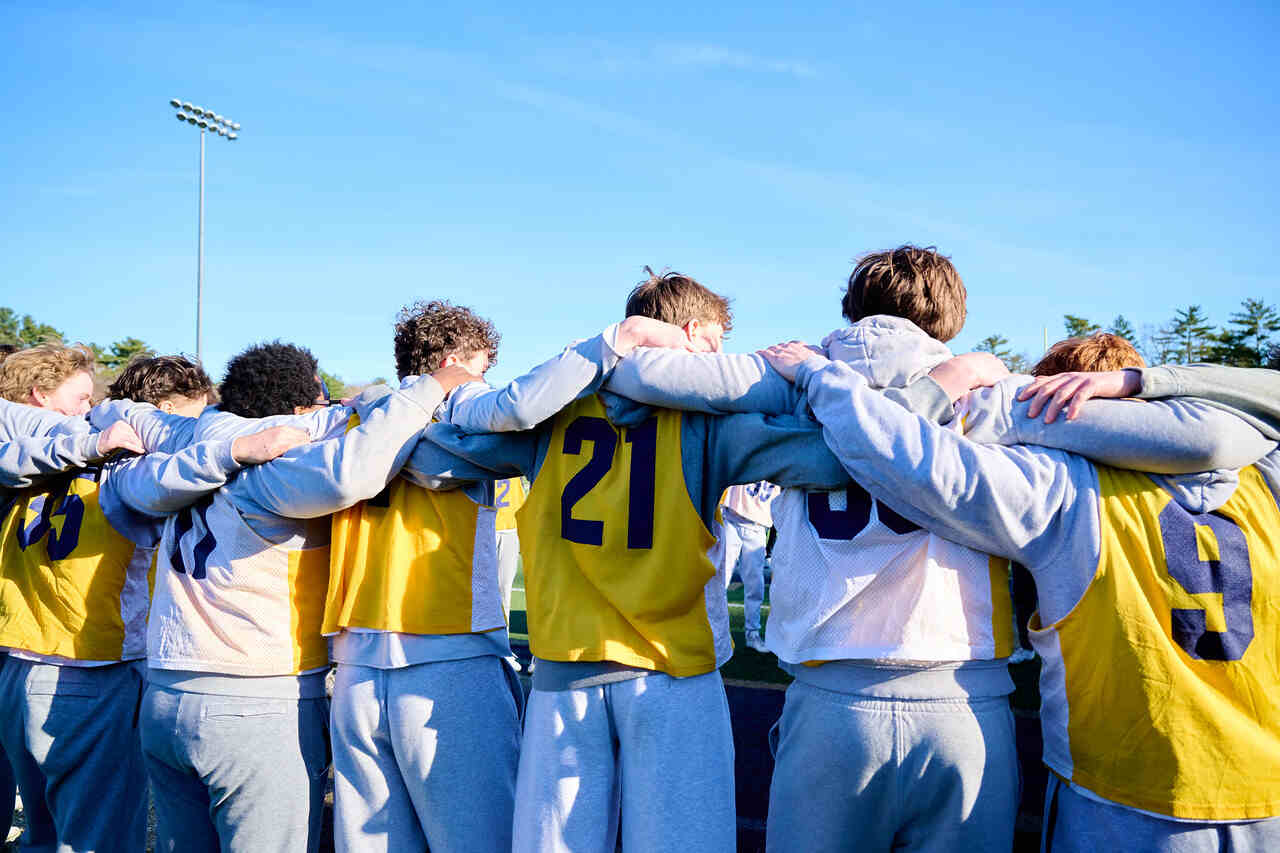
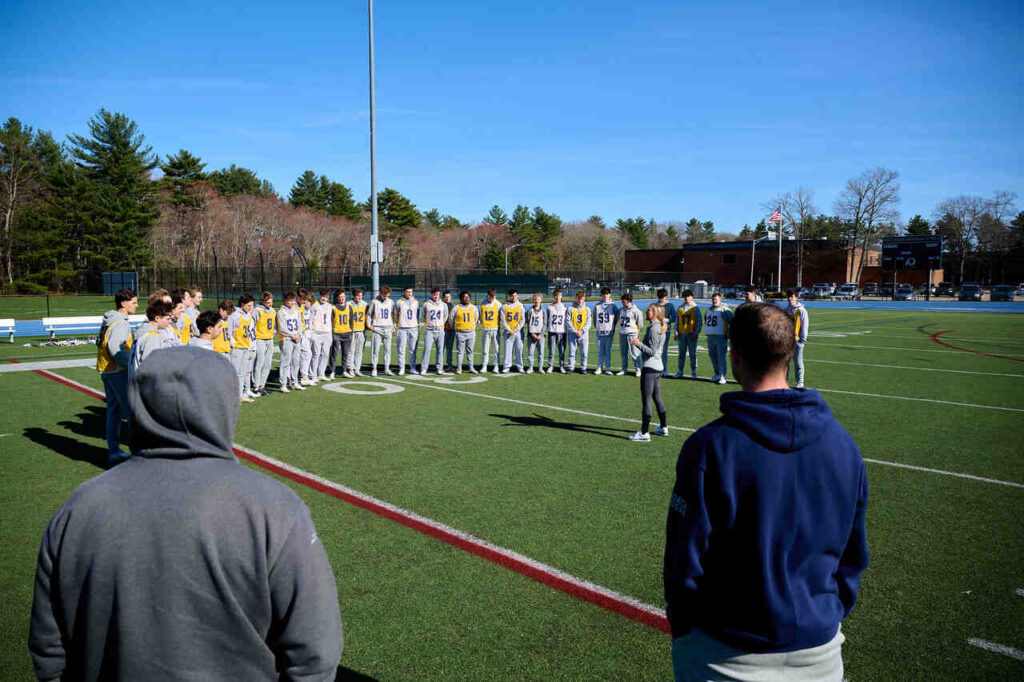
Social resilience is a group or community’s capacity to withstand and recover from challenges by drawing on shared networks, mutual trust, and collective skills. Think of it as the team version of toughness. Where personal resilience belongs to one person, social resilience belongs to the group. It shows up in a locker room that rallies after a crushing loss, a classroom that pulls together during a hard semester, or a youth program that keeps kids coming back through thick and thin.
The foundational elements of social resilience are not complicated, but they are specific. Researchers have identified several core mechanics that determine how well a group bounces back:
- Support networks: People who show up consistently and offer practical help or encouragement
- Family and team cohesion: The closeness and mutual investment within a core group
- Community identity: A shared sense of who “we” are and what “we” stand for
- Social capital: The bonds, bridges, and links that connect people within and beyond the group
- Trust in leaders: Confidence that those in charge are honest, fair, and competent
- Access to resources: From mental health support to physical spaces where people can gather and recharge
Why does this matter for athletes and students? Because empirical data shows social support associated with measurably better mental health outcomes during periods of high stress. When team culture is strong and students feel genuinely connected, they push harder, recover faster, and stay motivated longer. The research on mental health and student athletes shows that isolation is one of the biggest hidden threats to performance and wellbeing in competitive environments.
Here is a quick snapshot of what social resilience looks like in practice versus what it does not:
| With strong social resilience | Without strong social resilience |
| Team recovers quickly from setbacks | Slumps linger and morale drops |
| Students seek help and share strategies | Students struggle in silence |
| Coaches and educators feel supported | Burnout and turnover increase |
| Groups adapt to new challenges together | Conflict rises under pressure |
| Trust accelerates problem-solving | Blame and defensiveness slow progress |
Social resilience is not a soft concept. It is a measurable, trainable capacity that directly influences how you perform when stakes are high and conditions are tough.
The science of social resilience: How networks drive motivation and adaptation
Understanding why social resilience works requires a closer look at social capital, which is the web of relationships and resources that exist within and between groups. Researchers break social capital into three distinct types, and each one plays a different role in how a group builds strength.
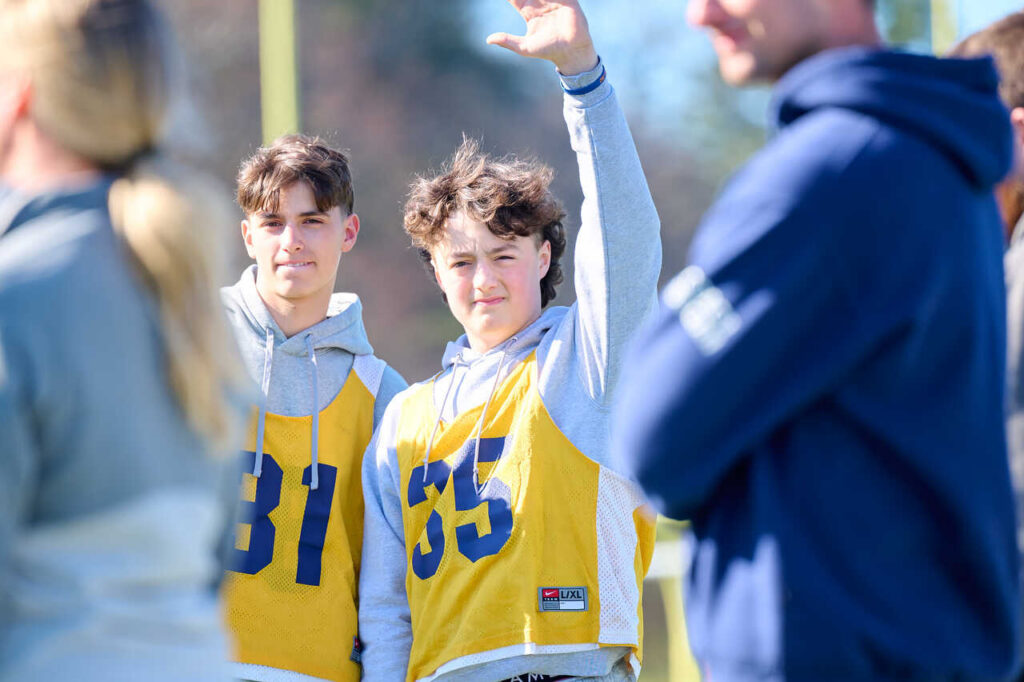
Bonding social capital refers to the tight connections within a group, like the trust between teammates or the closeness of a classroom. This type creates a sense of safety and identity. Bridging social capital describes relationships across different groups, like when athletes connect with students from other sports or educators learn from colleagues in different disciplines. Linking social capital involves connections to institutions or authority figures, such as coaches, administrators, or community organizations that have resources and power to help.
Having a few people who truly trust you and institutions that genuinely back you up is more valuable than a wide but shallow network.
What does this mean in practice for a student athlete or coach?
- Prioritize building real trust with your inner circle before expanding outward
- Strengthen your relationship with mentors, counselors, or program leaders who have access to resources
- Use shared experiences, not just shared goals, to deepen group bonds
- Celebrate recovery from setbacks as loudly as you celebrate victories
The outcomes tied to strong social networks are significant. Boosting student performance through resilience training works in part because it activates these social mechanisms, not just individual mindset shifts. Groups with high social capital also show faster recovery times after stressors, which researchers describe as a core marker of real resilience.
It is also worth noting the link between facing adversity in athletics and the role teammates play in recovery. Athletes who feel isolated during hard times take significantly longer to bounce back, while those embedded in high-trust teams often show stronger performance within days of a major setback. The biology of stress recovery supports this too: social connection reduces cortisol levels and activates the body’s calming systems, which is central to peak performance and resilience.
Building social resilience: Practical strategies for individuals and groups
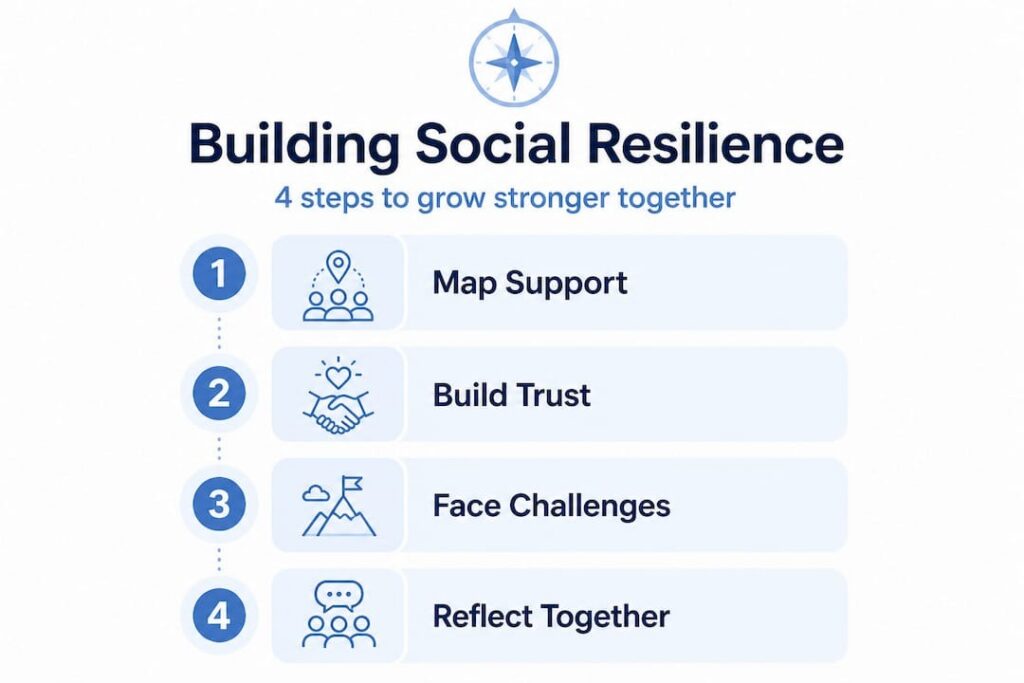
Now for the part that changes everything: what you actually do. Methodologies for building social resilience involve community mapping of skills and resources, regular group exercises, leadership and skill development training, co-designing activities with participants, and fostering social capital through shared rituals and networks. Here is how to apply that in plain terms.
- Map your current network. Write down every person in your life who offers support, has a skill you need, or connects you to broader resources. Look for gaps. Who do you lack access to? Where is trust thin? This mapping exercise makes the invisible visible and gives you a clear starting point.
- Create regular group rituals. Consistency is the engine of trust. Whether it is a weekly team check-in, a monthly classroom reflection, or a daily warm-up that includes a personal check-in question, repetition builds the kind of familiarity that makes groups strong. Rituals signal that the group is safe and stable.
- Start or join a skill-sharing group. Resilience grows when people teach each other. Set up a system where team members or students take turns leading a session on something they know well, whether that is a mental reset technique, a study strategy, or a physical drill. Teaching reinforces confidence, and learning reinforces connection.
- Attend workshops designed for resilience. Structured learning environments accelerate what informal connection builds slowly. Workshops that focus on resilience building exercises provide both the framework and the practice reps needed to make resilience skills automatic under pressure.
- Co-design your group’s practices. Do not build a program for your team or classroom. Build it with them. Ask people what they need. Involve them in designing rituals, norms, and response plans. This co-design principle dramatically increases buy-in and ensures the program actually fits the real context rather than a theoretical one.
Pro Tip: If you are a coach or educator, resist the urge to solve every problem for your group. Instead, create situations where the group has to solve challenges together. Let them sit with discomfort just long enough to discover their collective strength. That is where real mental strength training happens, in the space between struggle and solution.
Educators and coaches can also accelerate social resilience by building what researchers call a “safe-to-fail” environment. This is a setting where mistakes are treated as data, not failures, and where sharing a struggle is seen as strength rather than weakness. When groups learn that vulnerability is safe, they open up faster, share more useful information, and recover from setbacks more quickly. This is one of the most underused self-improvement strategies available to any team or classroom setting. The resilience muscle newsletter captures this idea well, emphasizing that consistency and shared accountability grow your resilience capacity over time, much like training a physical muscle.
Limitations and nuances: What most people miss about social resilience
Social resilience is powerful. It is also complex, and understanding its limits is just as important as knowing its strengths. Edge cases show that overemphasis on social support overlooks other contributing factors, and there are real trade-offs including exclusionary group dynamics, resource fatigue among volunteers, and context-specific gaps where bridging capital adds less than expected.
Here is what to watch for:
- Groupthink: When group cohesion becomes so strong that dissenting voices get silenced, the group loses its ability to adapt. Resilience requires honest feedback, not just harmony.
- Exclusion: Tight bonding capital can create in-group and out-group dynamics that leave people feeling marginalized. If your team is tight-knit but unwelcoming to newcomers, that is not resilience, it is a fragility in disguise.
- Resource fatigue: Volunteer-based networks and peer support systems can burn out if the same people carry too much of the load. Sustainability requires rotating responsibility and recognizing effort.
- Context differences: Strategies must be adapted to fit the actual environment, not copied from a different one.
No universal benchmarks exist for measuring social resilience. Researchers recommend using tools like the Student Social Resilience Scale or tracking concrete markers like recovery time from setbacks, mental health stability during stressful periods, or group-reported feelings of safety and belonging. Prioritize local, context-specific assessments over generic scores.
Pro Tip: Every few months, bring your group together and ask two simple questions: “What is working for us?” and “Who might feel left out of what we have built?” Those two questions will surface more useful information than any external audit.
Knowing the limits of social resilience also helps you avoid overcoming setbacks in isolation while simultaneously over-depending on the group for everything. The best approach balances individual self-awareness with active community participation.
A fresh perspective: Why social resilience beats solo grit in real growth
Here is a belief worth challenging: the idea that the strongest person in the room is the one who needs the least help. That belief is not just wrong. It is actively harmful to the people we coach, teach, and lead.
Solo grit has its place. There are moments when you have to dig deep alone. But grit without community is unsustainable. The athletes and students I have seen grow the most are not the ones who toughed it out in silence. They are the ones who built real relationships, asked hard questions, and stayed connected even when things got uncomfortable.
The conventional wisdom around resilience tends to celebrate the lone hero narrative. Pull yourself up. Figure it out. Do not show weakness. What that approach misses is that lasting adaptation almost never happens in isolation. It happens in relationships, in conversations after practice, in classrooms where a teacher actually knows your name and your situation.
Group-based resilience is more inclusive, more sustainable, and more powerful over time than any individual willpower strategy. When a group regularly shares skills, celebrates failure as learning, and shows up for one another through real setbacks, the growth compounds. Each person becomes more capable because of the group, and the group becomes stronger because each person grows. That cycle is what makes setbacks and resilience in practice feel manageable rather than overwhelming.
The shift I encourage students, athletes, and educators to make is this: stop measuring your resilience by how much you can endure alone. Start measuring it by how strong your network is when pressure hits.
Unlock your own social resilience: Workshops, coaching, and next steps
You now have the science, the strategies, and the nuance. The next question is: where do you start putting this into action with the right support behind you?
At Navigating Through Quicksand, I offer workshops, one on one and group coaching sessions, and guided programs designed specifically for students, athletes, coaches, and educators who are ready to build real, lasting resilience. Whether you are looking for training for student athletes, a set of key resilience exercises your team can use immediately, or deeper personal development coaching to reshape how you approach growth and adversity, there is a clear next step waiting for you. My programs are rooted in the same research you read here, translated into practical, engaging experiences that create measurable change. Reach out today to find the right fit for your team, school, or personal journey.
Frequently asked questions
What is the difference between social resilience and personal resilience?
Social resilience involves the shared strength of a group or network, while personal resilience is an individual’s ability to adapt to stress or adversity. Social support networks and community identity are core to the social version, while personal resilience centers on individual mindset and coping skills.
How can I measure my social resilience?
No universal benchmarks exist, but tools like the Student Social Resilience Scale or tracking group recovery time after stressors are practical starting points. Local, context-specific assessments give you more useful data than generic scores.
Does social resilience always help, or are there downsides?
Social resilience is powerful, but overemphasis on social support can lead to groupthink, exclusionary dynamics, or resource fatigue if not managed carefully. Context and regular group check-ins help prevent these pitfalls.
What are some easy first steps to strengthen my social resilience?
Start by mapping your current support network, join a consistent group activity, and focus on building genuine trust with the people around you. Community mapping of skills and regular group exercises are research-backed entry points that show results quickly.
Can social resilience be improved at any age?
Yes, absolutely. With deliberate effort and the right environment, building community resilience through participation, skill-sharing, and group learning is possible at any stage of life, whether you are a student, a seasoned coach, or somewhere in between.
Recommended
- 7 Key Resilience Building Exercises for Growth
- 5 Self-Improvement Strategies for Growth and Resilience | Navigating Through Quicksand
- Powerful 4-Step Guide: Navigating Challenges, Building Resilience and a Positive Mindset | Navigating Through Quicksand
- Master Mental Strength Training for Lasting Resilience | Navigating Through Quicksand